


James
Members
-
Joined
-
Last visited
Everything posted by James
-
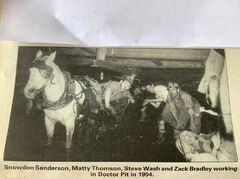 I assume you are referring to the 4 photos that have the caption at the bottom “……..working in the Doctor Pit in Bedlington”. These were posted on this site a few years ago (or possibly Facebook) and I made copies of them. They appear to be newspaper cuttings. This particular photo has an error – Steve Wash should read Steve Welsh. (You ask if I was related to anyone in this photo. It so happens that one of them was my wife’s uncle.)
 -
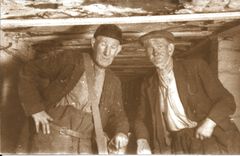 Photo of two Wastemen at the Doctor Pit taken by Willy Ward. No names unfortunately. Wastemen were miners who were too old for heavy work and were employed to maintain the return airways – clearing falls of roof, renewing supports etc. and they often carried on doing this work even in their 70’s. Willy Ward worked at the Doctor Pit till it closed in 1968. He was an excellent photographer and a few of the photos I have posted were bought at his shop on Front Street East. I wish I had got more of them and taken a note of the names. (Many couples would have used Willy to take their wedding photos – we did!)
 -
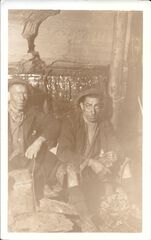 I got this photo at Willie Ward’s shop so I assume it was taken at the Doctor Pit. The person on the left is holding something I’d forgot about. I think we called it a “shotbox” – can anybody confirm? It was a canister to hold explosives. The person on the right is holding his carbide lamp. These were lamps with an open flame and were used at the Doctor Pit until around 1955 when they were replaced with electric lamps.
 -
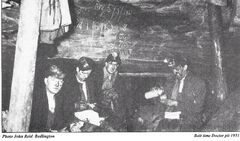 Photo from James T. Tuck's book "The Collieries of Northumberland"
 -
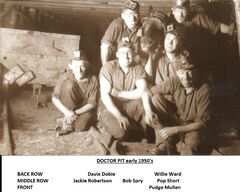 Photo taken by Willie Ward in 1952
 -
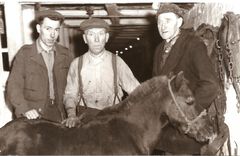 Photo taken by Willie Ward in the underground stables at the Doctor Pit. The person in the centre was the head stablekeeper. No names unfortunately.
 -
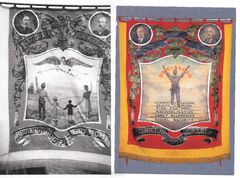 Doctor Pit banners. 1948 banner on left. 1960’s banner on right.
 -
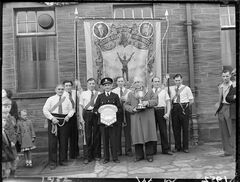 Doctor Pit union men in 1960’s. Andy Fairbairn in middle at back. Anty Thompson on extreme right.
 -
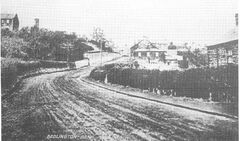 From Stephen Martin’s booklet on Bedlington – “The old mill at the top of Bedlington Bank was built in 1821. Called Petrie’s mill, it was initially worked by a windmill and later by steam.”
 -
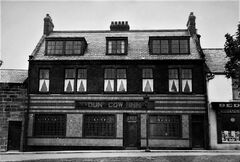 Dun Cow with the Co-op grocery dept on the right and Marshall’s buildings on the left
 -
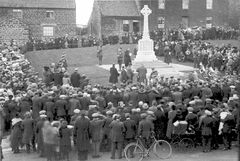 Eggy I have duplicated this photo - can I delete it? James
 -
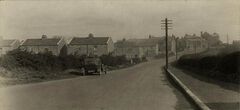 Hartford Road with Hartford Crescent on the left in 1924
 -
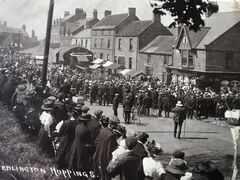 The following is an extract from the book “Leisure and Recreation in a Victorian Mining Community” by Alan Metcalfe ……….. …….”this, is illustrated vividly by the history of the Bedlington hoppings which were held for three days every Whitsuntide from sometime in the seventeenth century.72 The focal point of the three days of festivities was the Front Street and the adjacent side streets. The Hoppings attracted commercial attractions from outside Bedlington. The streets were filled with "numerous swing boats, galloping horses, shooting galleries, cocoa nut stalls, ice creamers, hokeypokeyites, Jaffa orange vendors, ginger bread stalls'.73 Over the years menageries, circuses, theatres, boxing booths and a variety of other entertainments visited the hoppings. However, changes began to appear in the 1860s and it was in the athletic events that changes were to be observed, In the I850s the programme consisted of a variety of footraces, three-legged races, old men's races, tilting the bucket and climbing the greasy pole for a leg of mutton, Over the next 5O years they became more "athletic' with the 120 yard handicap becoming the premier event. However, there were some things that did not change: the central role of the innkeepers and tradesmen in organizing and sponsoring the events. They were, from the outset, commercial enterprises. However what is most significant is that real lack of change in the location, Despite efforts from the police in the 1890s to remove racing from the Front Street and the various attempts to introduce alternative sports, the basic form of the hoppings remained unchanged, They provide a salutary lesson on the power of tradition in the mining communities” …………
 -
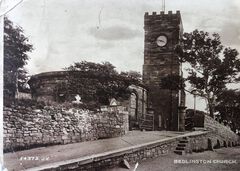 This photo shows the church with the semi - circular aisle and gallery that was demolished in 1912 and replaced with the rectangular North aisle and gallery that we see today. (From a Church of England booklet published 1949.)
 -
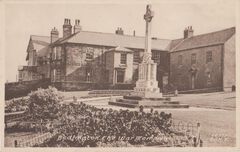 All of the institute, including the library was situated on the top floor of the building. It was in a small alcove at the end of the institute; not where the arrow is pointing which was a private house. It was not a public library but for members of the institute, i.e. employees of the Doctor pit. The arrow should point to the area on the top floor of the building mid- way between the window to the right of the war memorial and the end of the building adjoining the house.
 -
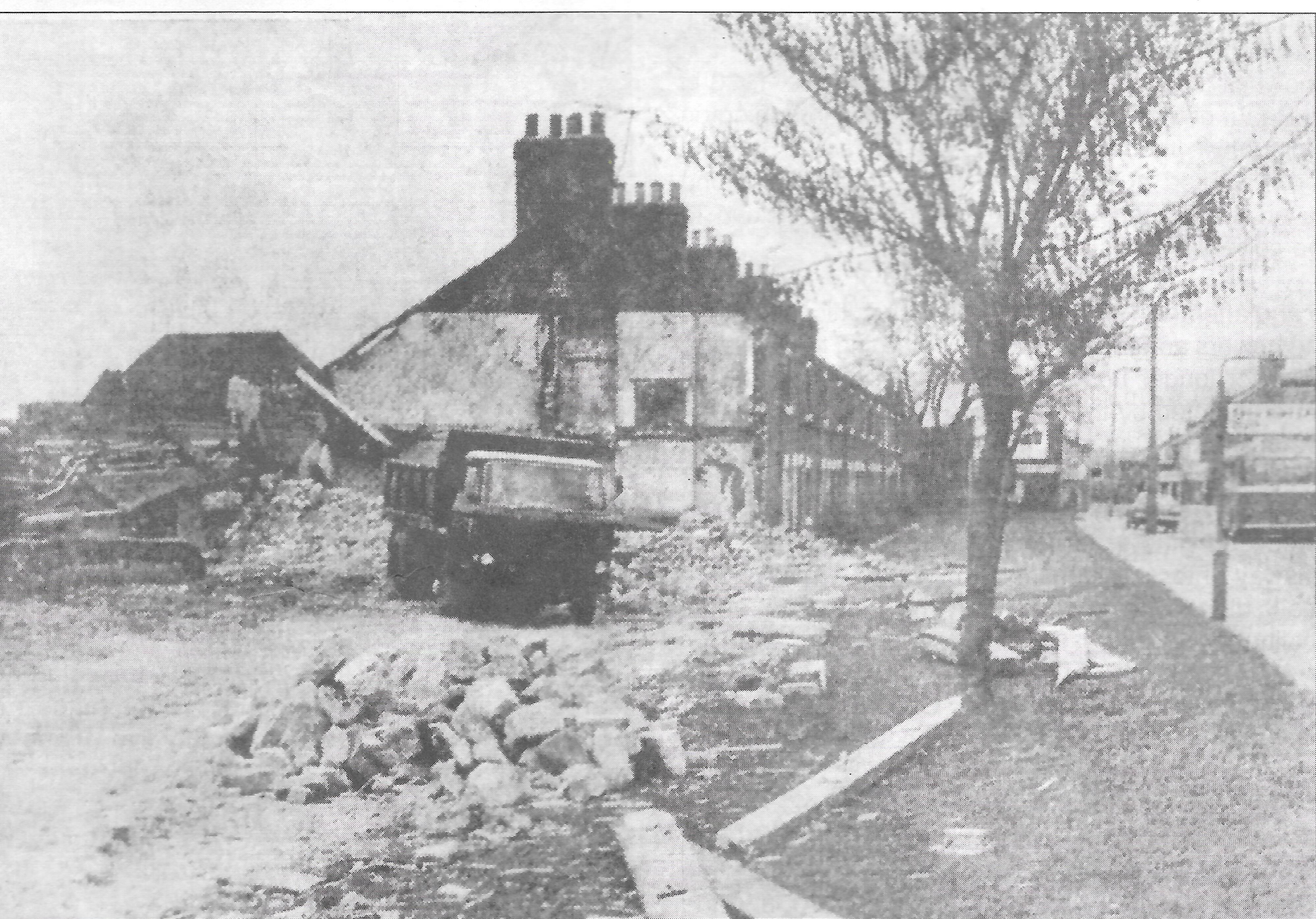
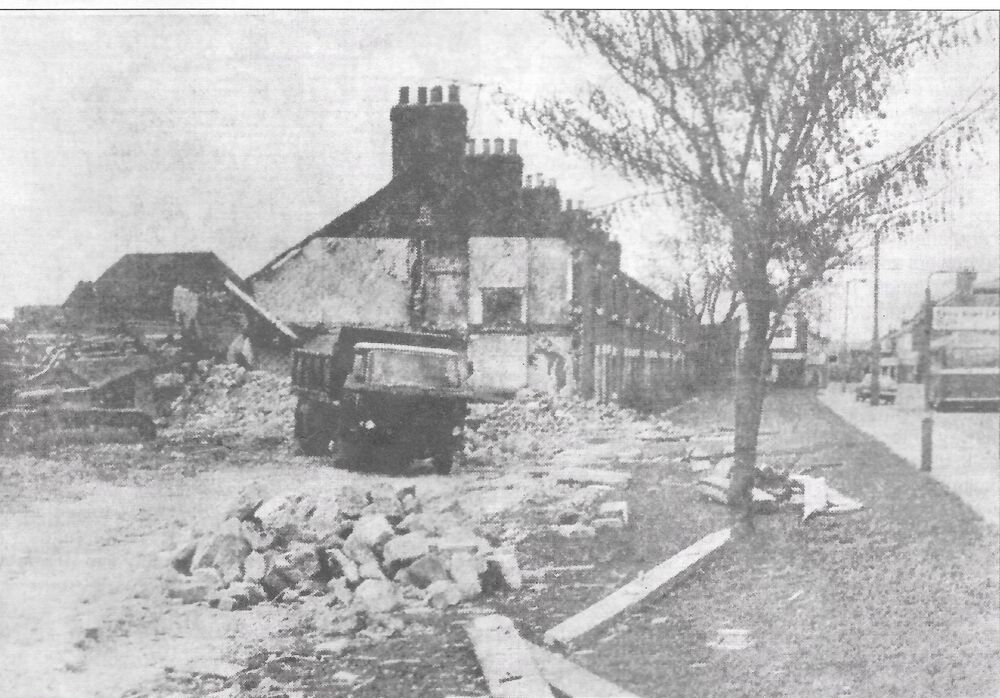
Demolition of South Row - 1974
-
-
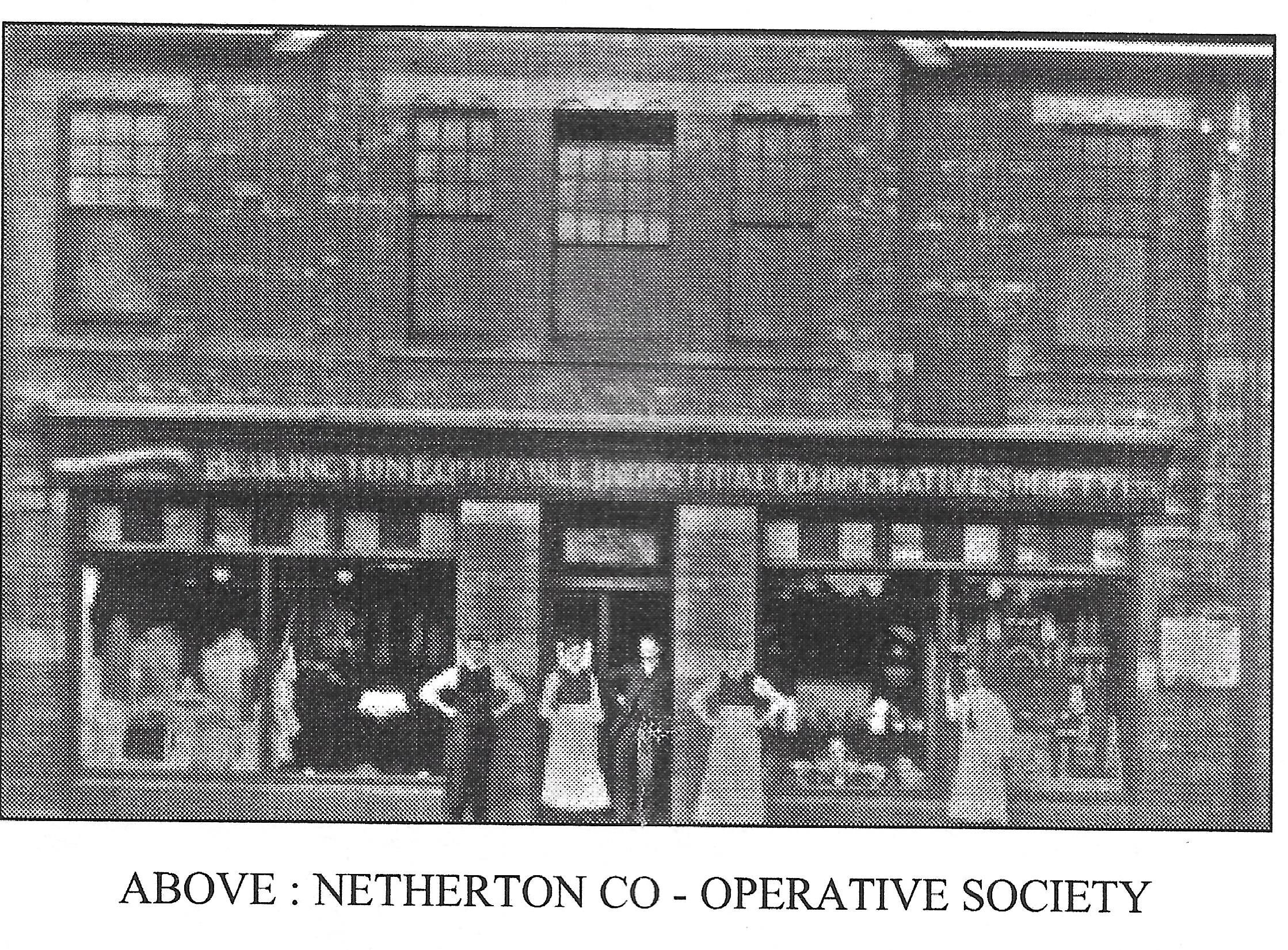
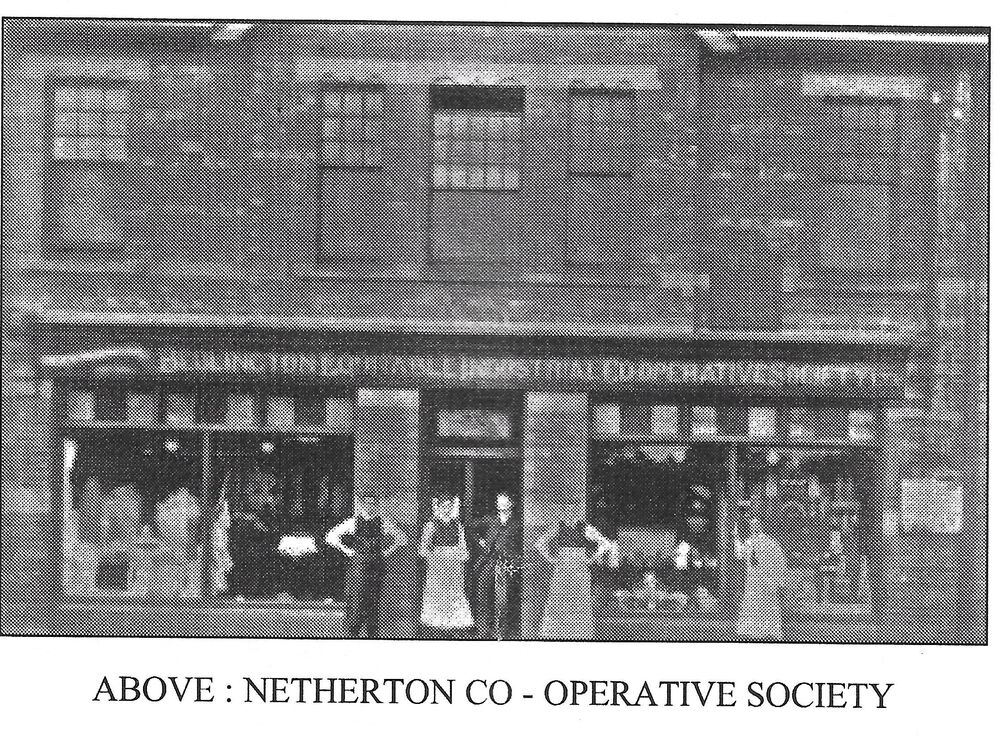
According to one of the "Bedlingtonshire Revisited" booklets, there was a branch of the Bedlington Coop at Netherton Colliery
-
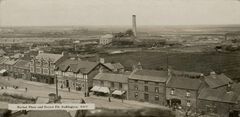 Some of the names of the rows are incorrect. The photo has been enlarged and cropped and has cut off Shiney Row which can be seen on the extreme left of the main photo. Telephone Row and Cross Row are correct but - Shiney Row should read Doctor Terrace. Doctor Terrace should read North Terrace. North Terrace should read New South Row. This is an interesting photo as it shows two winding houses. It shows a new brick built electric winding house (it was later painted white) and in front of it the old steam driven winding house. As I mentioned in a previous posting the steam driven winder was replaced with the electric winder in 1921. So there was loss in production, the new winder house was built behind the old one. The pulley ropes from the old winder were then passed through to the new electric winder and the old steam driven winder house with its chimney demolished. (Information taken from James Tuck’s book “The Collieries of Northumberland”) This photo show both winding houses in 1921 so it was taken exactly 100 years ago this year!
 -
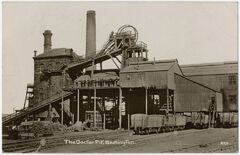 Dr Pit in 1912 with the surface workers posing for the photo. Note the guy on top of the headgear next to the “pulley wheels”. This old winder house was for the steam driven winder and was replaced with the electric winder in 1921. So there was loss in production, the new winder house was built behind the old one and the electric winder commissioned. The pulley ropes from the old winder were then passed through to the new winder to the electric winder and the old winder house with its chimney was demolished. (Information taken from James Tuck’s book “The Collieries of Northumberland”) We know that any photo of the Dr Pit showing the white brick built winder house was taken after 1921.
 -
.png.8ed7f3d4753c93e5f45344da507f8d26.png) The Old Colliery Row, better known as “The Aad Pit Raa” was built in 1840, 15 years before the Dr Pit was opened. According to Stephen Martin’s book it was built by a farming family, The Swann Brothers to rent to miners who were moving into Bedlington to work on collieries that were opening up in the vicinity. The Colliery Row was initially leased then sold in 1892 to the Bedlington Coal Company. The row was demolished along with Bell’s Place in 1950. Hollymount Square was built on this area immediately after the demolition of the rows.
The Old Colliery Row, better known as “The Aad Pit Raa” was built in 1840, 15 years before the Dr Pit was opened. According to Stephen Martin’s book it was built by a farming family, The Swann Brothers to rent to miners who were moving into Bedlington to work on collieries that were opening up in the vicinity. The Colliery Row was initially leased then sold in 1892 to the Bedlington Coal Company. The row was demolished along with Bell’s Place in 1950. Hollymount Square was built on this area immediately after the demolition of the rows. -
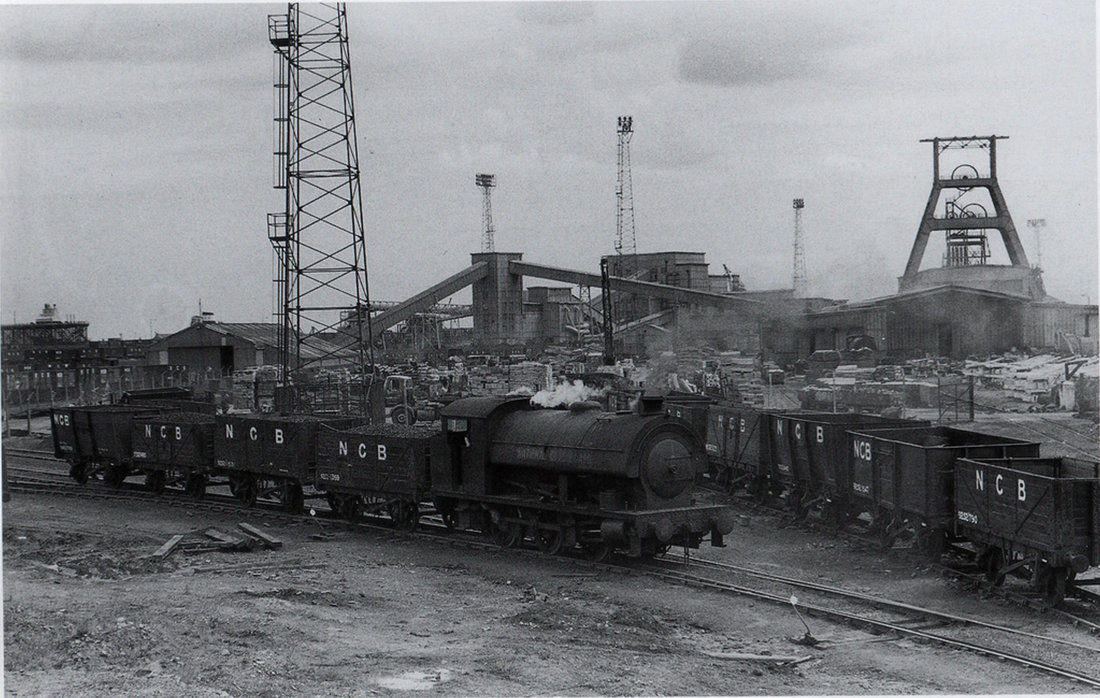
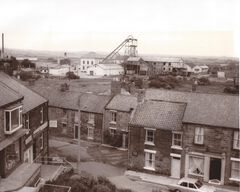 Of all the photos I’ve seen of the Dr Pit, this is the only one that shows the Drift. The Drift entrance can be seen on the extreme right of the photo with its screening plant. The Drift was an inclined shaft that was in operation between 1947 and 1960. It was opened to mine coal under what is now the golf course but it was decided that it would be cheaper to mine these reserves by opencast methods so the drift was closed.
 -
In the 1980’s Stephen Martin wrote 7 booklets that together formed the “Bedlington Villages History Series” The titles are – Bedlington, Sleekburn, Stakeford & Bomarsund, West Sleekburn, Choppington, Barrington, Netherton. (Perhaps there is also one on Cambois?) Unfortunately I only have 3 of them – Bedlington, Netherton and “Bomarsund & Stakeford” I think it is a good idea to open an album on the Doctor Pit and Rows. There have been lots of photos posted in the history forum over the years and it would great to see them in an album. I have quite a few so as soon as the album is open I will post them.
-
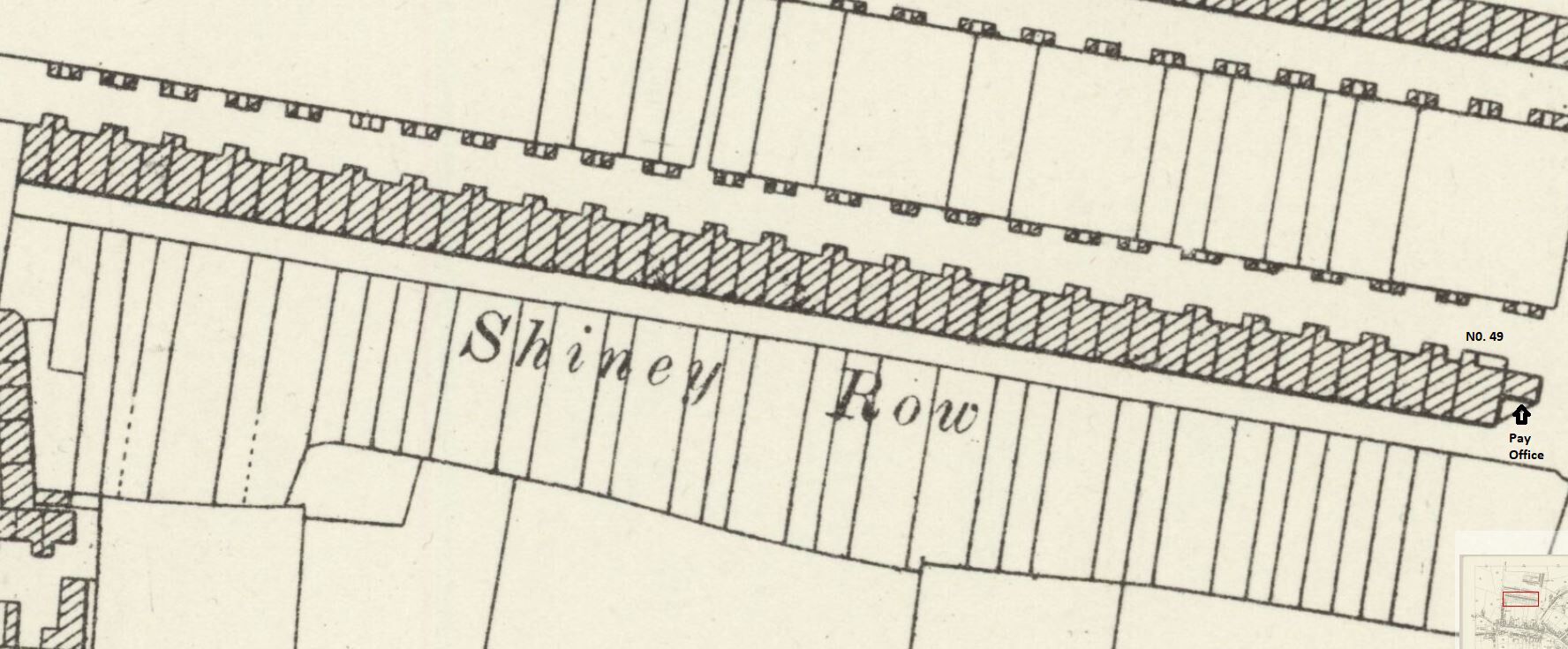
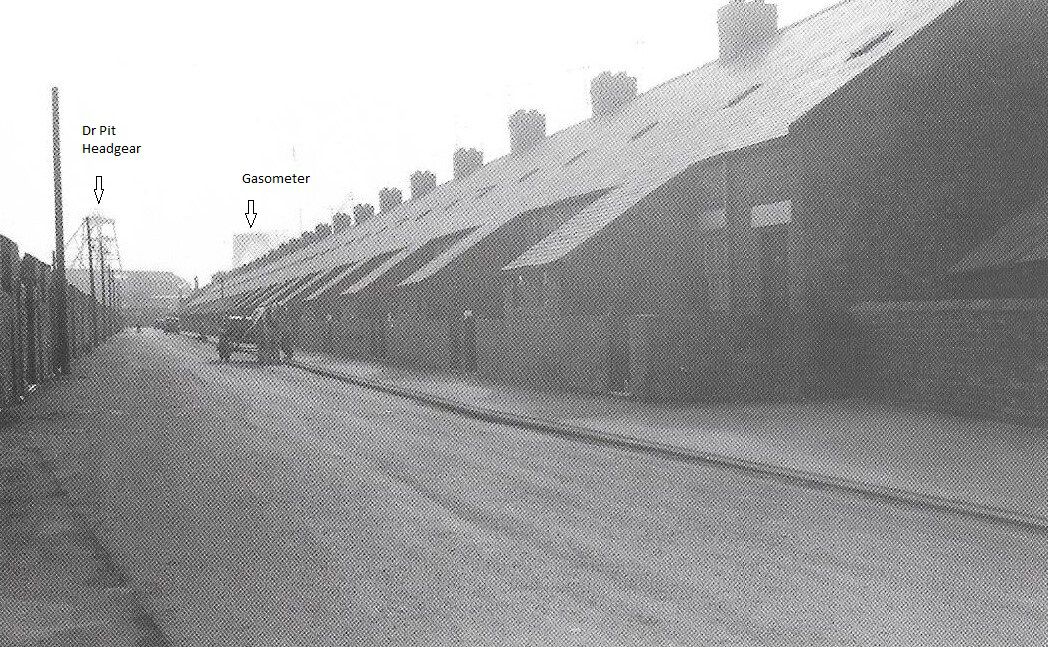
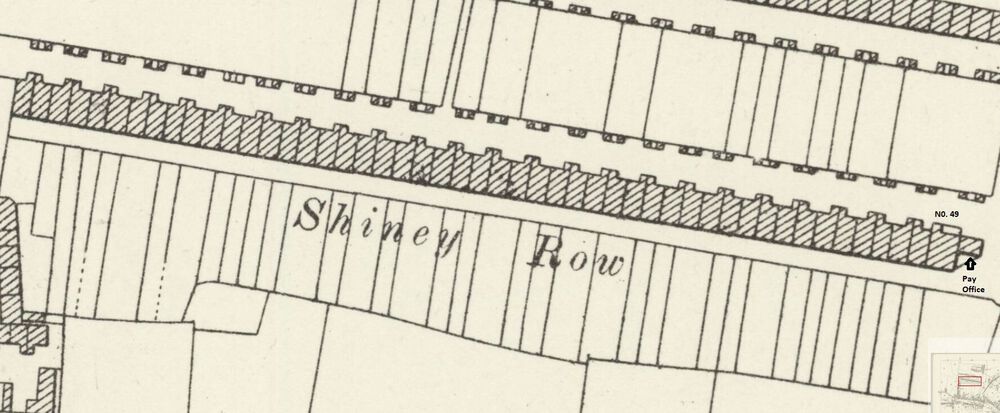
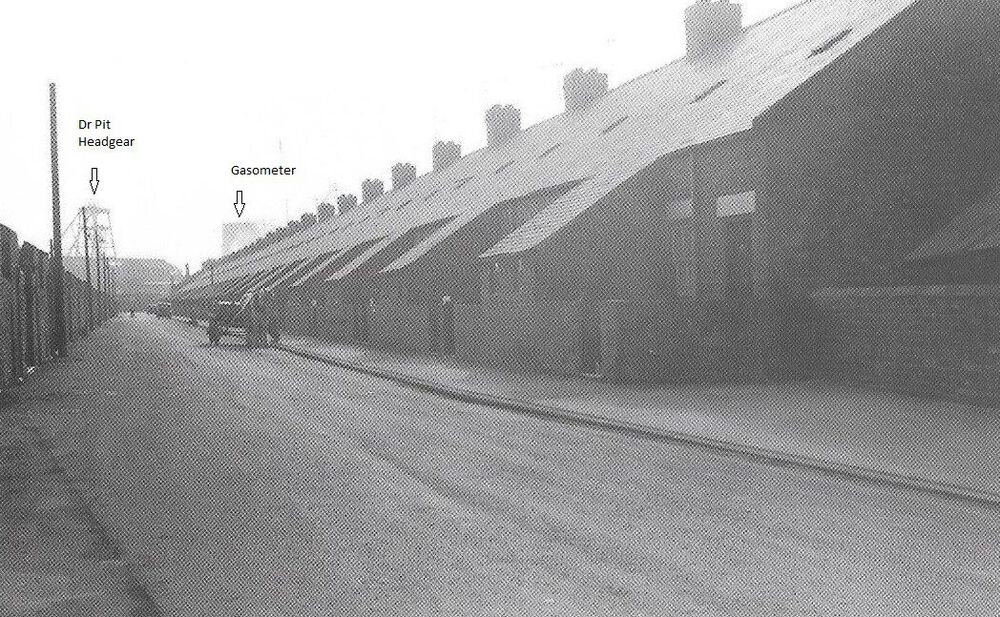
Probably the building work was not completed until after the 1871 census. Number 49 was bigger than the others because it was the undermanager’s house. In the 1911 census, Thomas Croudace, the Dr Pit undermanager was living there. His son, Charlie Croudace was the colliery manager for many years until 1955 when he was succeeded by George Hetherington. The pay office was built onto the gable end of No 49 where I received my first week’s pay of just over £4 in 1957.The building dates and number of houses of all the rows according to Stephen Martin’s book on Bedlington are as follows- Cross Row. 12 houses built in 1855 to accommodate the shaft sinkers. Shiney Row – 1870, 49 houses. Doctor Terrace – 1874, 49 houses. New South Row – 1886, 24 houses. Telephone Row – 1886, 20 houses. North Terrace - 1906, 50 houses. A total of 204 families.
-
Bates Colliery behind the offices around the wash plant area taken late 1950's