

Contributor Leaderboard
-
Pegwoman
New Members3Points55Posts -
Andy Millne
Administrators2Points3,467Posts -
 1Points1,452Posts
 -
Mal
Members1Points111Posts



Popular Content
Showing content with the highest reputation since 27/09/26 in Posts
-
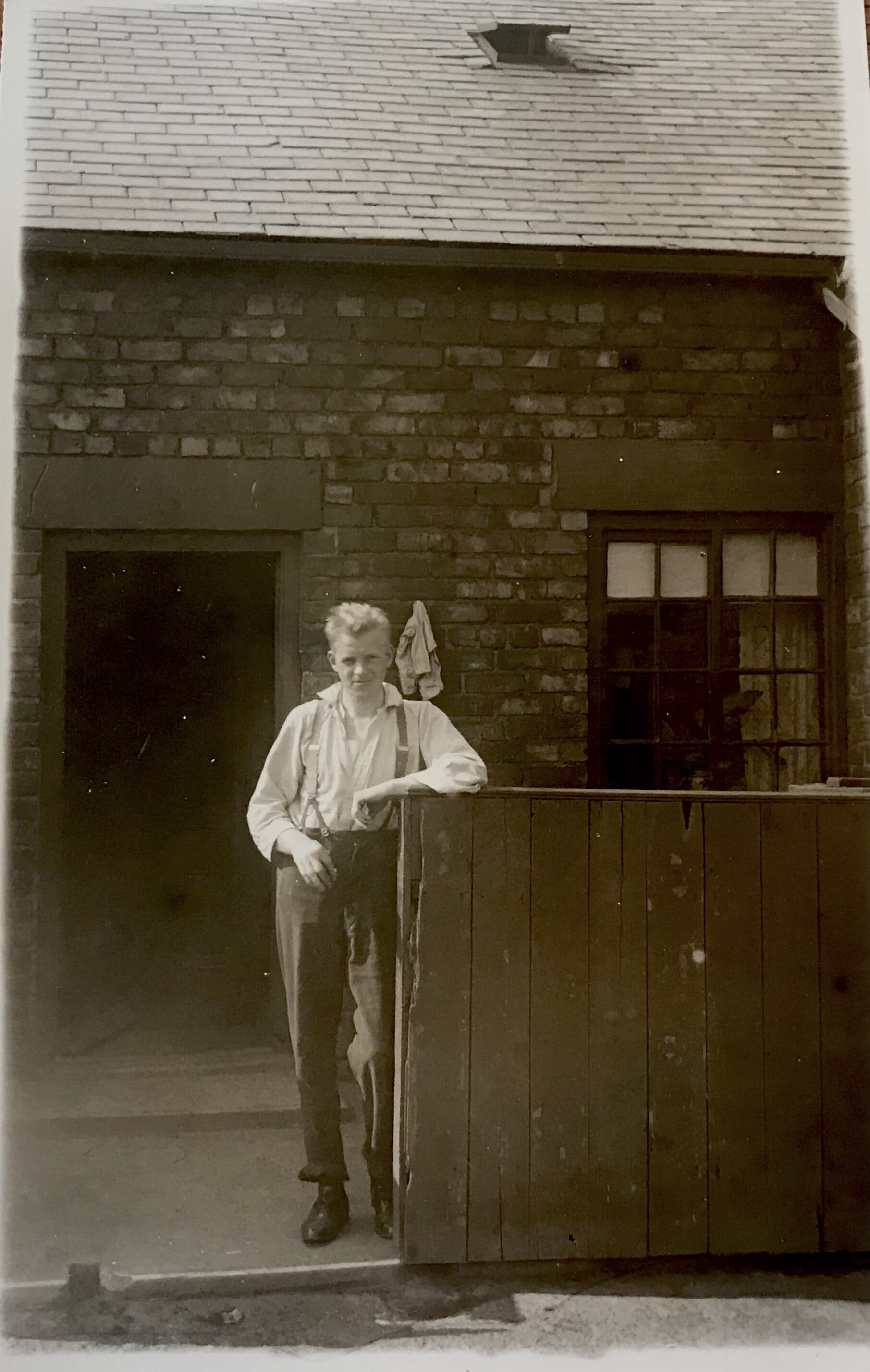
2 pointsThanks , I would really like a physical structure to house all the artifacts I have inherited. But Bedlington doesn’t seem to have the right building in a location that has sufficient parking. So at the suggestion of a friend the best plan for now seems to be a walk through on line museum. So I am looking into involving technology experts for the filming and a history geek to help me to sort out the artifacts. Furniture , and ornaments aren’t a problem as it is just devising an interesting way to present clothes, toys, q curtains , paper documents , photos and letters that is the problem. But thanks for the heads up message.2 points
-
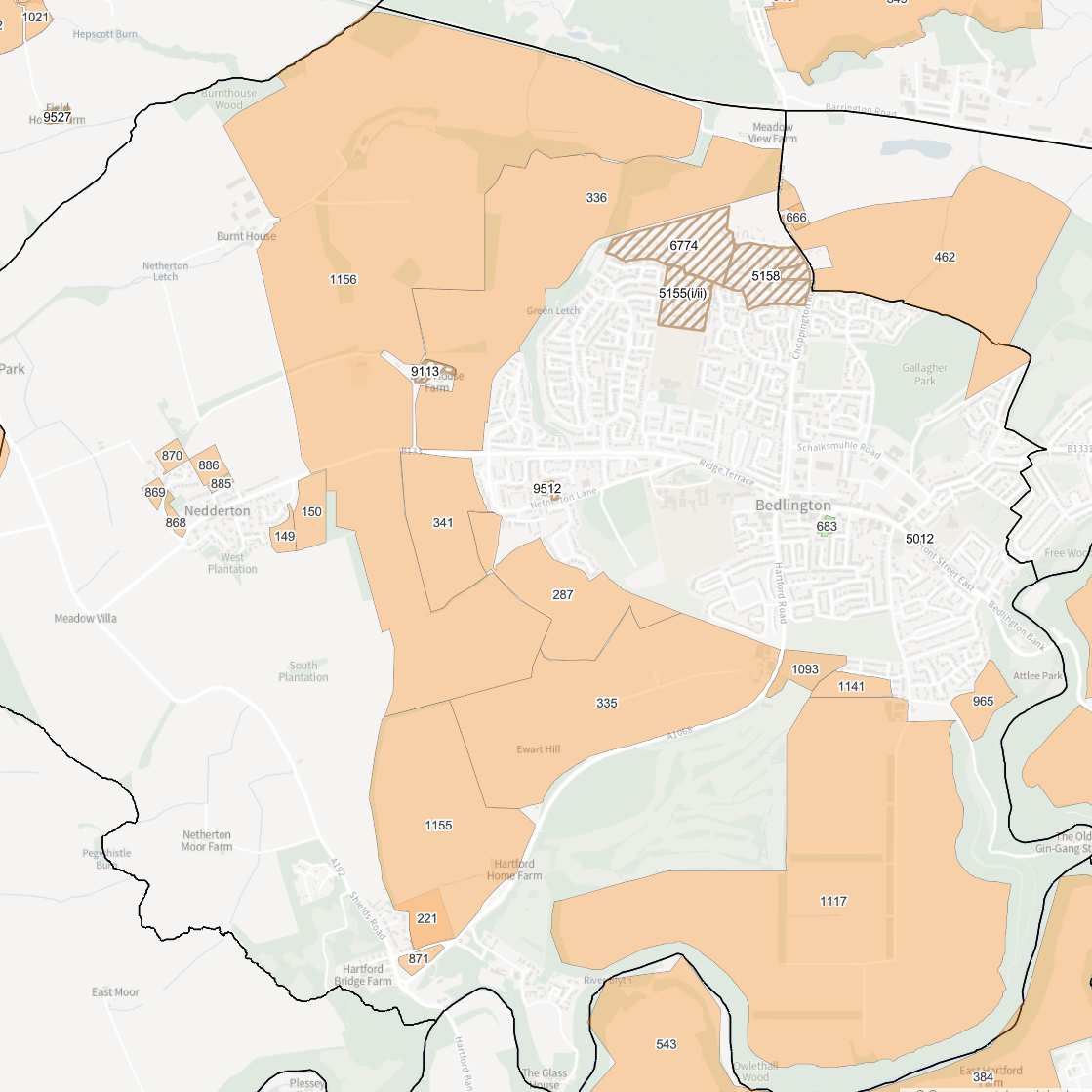
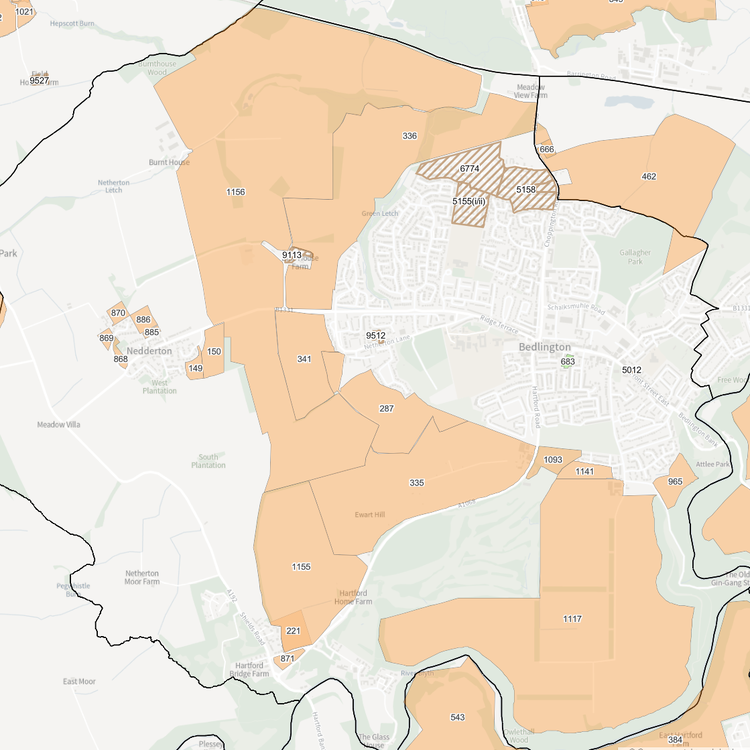
If anyone wants to look through here and see the proposed land availability for Housing and Employment as well as policies towards those here it is. https://www.northumberland.gov.uk/.../studies-evidence... The buff colouring is the proposed housing land availability. This is not to say that’s what happens only that these areas are the suggestions. This is why I keep asking people to get on board with the new Local Plan and Neighbourhood plan consultations!
 1 point
 -
1 pointI have been so busy with friends visiting and keeping the garden weed free. STILL no excuse. I am busy sorting out a vast collection of artifacts dating from 1906. At present I am cataloging my grandfathers toys But unsure if followers want to see photos of such things. Might take some snaps this evening and post them anyway. I am still plodding on searching for a suitable property in Bedlington to set up a museum failing that I will do it on line.1 point
-
1 pointWith winter approaching maybe there will be a bit more activity.1 point
-
1 pointWhoops, sorry @Alan Edgar (Eggy1948) . I've just replied to you now.1 point
-
1 pointHi Jaxe, Thanks for posting, and you’re not missing anything. You’re right that it’s gone quieter. A lot of the day-to-day chat (what’s on, roadworks, lost dogs, “does anyone know…”) has moved to social media and messaging groups over the last few years, so the forum doesn’t have the buzz it used to. Bedlington isn’t drifting away though, and neither is this place. There’s years of memories, old photos, history and local knowledge on here that you won’t find anywhere else. Unlike a social media feed, it doesn’t disappear after a day or two, and it’s all still here to read and search. What keeps it going is people like you posting. Plenty of members live away from the town now, and threads about where people grew up, which school they went to, or what used to stand where the shops are now always get a response, even if it takes a little longer than it used to. We’re also working on something new. The same team behind Bedlington.uk is building something to make it easier to keep up with what’s happening in the town, whether you’re local or, like you, following from further afield. More on that soon, so keep an eye on the site. Good to have you here!1 point